Have you ever wondered how technology makes sending money and staying connected easier? People can now use their phones and internet connections to handle many money-related tasks more easily.
Digital technology is making everyday financial activities faster and more convenient.
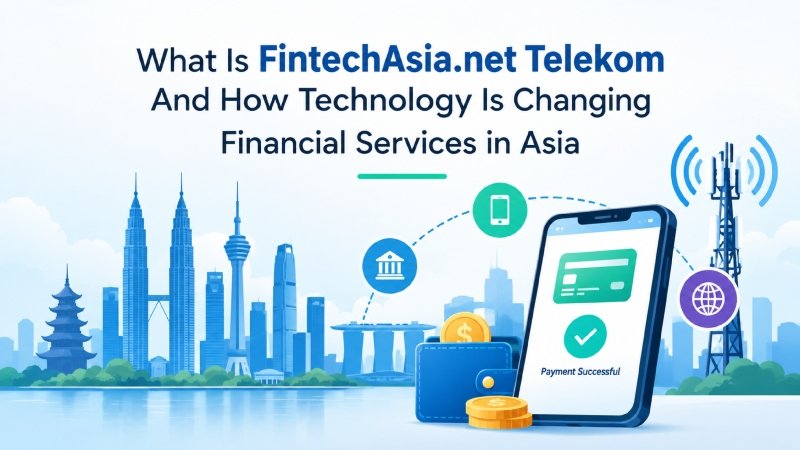
Fintech combines financial services with technology, including online banking, digital payments, and mobile wallets. Telecommunications provides the mobile networks and internet connections that help people access these services. Across Asia, these technologies are creating new opportunities for individuals and businesses.
In this article, we will explore FintechAsia.net Telekom, its meaning, key features, benefits, and the connection between telecommunications and financial technology.
What Is FintechAsia.net Telekom
Have you ever wondered how people can send money, pay bills, and manage their finances using only a mobile phone? Technology has made everyday activities easier, especially the way people communicate and handle money. Today, financial technology and telecommunications work together to provide convenient digital services. From mobile banking to online payments, these changes help individuals and businesses manage financial activities without always visiting a bank branch.
FintechAsia.net Telekom relates to the connection between financial technology and telecommunications, particularly in Asian markets. Fintech uses technology to improve financial services, while telecommunications provides mobile networks, internet connections, and communication systems. Together, they support digital payments, mobile wallets, online banking, and other financial tools.
Key Points to Understand
- Digital payments make everyday transactions more convenient.
- Mobile banking allows customers to manage their finances online.
- People can use digital wallets to pay for things and send money to others.
Telecommunications helps connect financial services with customers - Digital financial services make it easier for people to manage money and access services that may not be available to them through traditional banks.
- Cybersecurity, privacy, and internet access remain important concerns.
Understanding the Connection Between Fintech and Telecommunications
Financial technology and telecommunications perform different but connected roles. Fintech focuses on improving financial activities through digital tools, while telecommunications provides the networks that allow people to access online services. Without reliable internet or mobile connectivity, many digital financial services would be difficult to use.
People can use their smartphones and other internet-connected devices to handle their financial activities. Customers can access supported payment services, check financial information, and communicate with service providers through digital platforms. Understanding this relationship helps explain how telecommunications supports the development of financial services across Asia.
How People Use Digital Payments in Daily Life
Digital payments are one of the most common uses of financial technology. In the past, people often relied on cash to pay for groceries, transport, shopping, and other daily expenses. Today, many businesses accept payments through mobile applications, QR codes, and online payment systems.
For example, a customer can scan a QR code at a shop, enter the payment amount, and approve the transaction through a supported application. This process can reduce the need to carry cash and make it easier for businesses to receive payments. Reliable telecommunications networks help connect customers, merchants, and financial service providers.
Digital payments also provide electronic transaction records. Customers can review payment confirmations, while businesses can check which transactions they have received. These records can make everyday financial activities easier to organise.
The Role of Mobile Banking and Digital Wallets
Mobile banking allows customers to check account balances, review transactions, transfer money, and pay bills through their bank’s official application or website. For example, someone who needs to pay an electricity bill may complete the transaction from home instead of travelling to a bank branch or payment centre.
Digital wallets offer another way to manage payments. Depending on the provider, users may transfer funds, pay participating merchants, purchase mobile credit, or settle household bills.For example, a shopkeeper can receive customer payments through a mobile wallet and use that wallet to send money to suppliers.Using these payment methods makes transactions quicker and helps people rely less on cash. However, available features, fees, and transaction limits vary by provider and country. Users should review the terms before choosing a service.
How Telecommunications Companies Support Financial Services
Telecommunications companies operate mobile networks and maintain connections with large numbers of customers. Some work with banks and fintech companies to provide mobile payments, digital wallets, and phone-bill payment options.
In certain systems, customers can pay for approved digital purchases through their mobile phone bills or prepaid balances. Some services link mobile accounts to financial apps, making it easier for users to sign up and send or receive money.
These partnerships can help financial companies reach customers through existing communication channels. However, offering money-related services does not mean that a telecom company is a bank. Its responsibilities depend on its partnerships, licences, and the laws of the country where it operates.
Benefits of Combining Fintech and Telecommunications
One major benefit of this connection is convenience. People can access many financial services without travelling long distances or waiting in queues. They may check transactions during a break, pay bills from home, or receive money while travelling, provided the service and internet connection are available.
Digital services can also help people track their spending through transaction histories and payment confirmations. By using these tools wisely, people can manage their daily money matters in a better way.
Another important benefit is financial inclusion.People in rural areas may struggle to reach a bank due to long travel distances, high transport costs, or limited access to bank branches. Mobile networks allow them to use their phones for financial services to make payments and send money through digital services.
For example, a farmer may receive a digital payment from a buyer, while a small business owner may accept electronic payments from customers. However, affordable internet, digital skills, reliable electricity, and access to suitable services remain important.
How Digital Finance Helps Small Businesses
Digital financial services can create useful opportunities for small businesses. Traditional cash-based transactions may take time to record and manage, especially when a business handles many daily sales. Digital payment systems can provide records that help owners review income, compare sales, and organise accounts.
An online seller, for example, may receive customer payments electronically and check which orders have been paid for before arranging delivery
. Some financial providers also offer payment links, transaction reports, and connections with accounting systems.
These tools may help businesses operate more efficiently and serve customers beyond their local areas. However, business owners should compare transaction fees, settlement times, refund policies, and security features before choosing a payment provider.
How Technology Is Changing Financial Services in Asia
Technology is changing financial services across Asia by making digital payments, mobile banking, and online financial platforms increasingly important. Different countries have different levels of digital development, but telecommunications networks help customers access services through connected devices.
Banks and financial companies use digital channels to provide services, while telecom operators can help extend connectivity to more customers. Where mobile payment systems are widely available, customers may pay merchants, transfer money, and access other financial services without relying entirely on cash.
Digital platforms can also help businesses reach customers online and provide financial information more quickly. These changes create opportunities for individuals and businesses, although the benefits depend on local infrastructure, service availability, and financial regulations.
The Role of Artificial Intelligence and Data Analysis
Artificial intelligence and data analysis are also influencing financial services. Some providers use automated systems to identify unusual transactions, support customer service, assess certain risks, and detect possible fraud.
For example, a system may flag a payment that differs significantly from a customer’s usual activity so the provider can review it. Automated chat services can answer common questions and help customers find information without waiting for a human representative.
Data analysis may also help financial companies understand customer needs and improve their services. However, providers must use these technologies responsibly. Incorrect data, unfair decisions, weak security, and a lack of transparency can create problems. Protecting customer information remains essential.
Challenges and Risks of Digital Financial Services
Although digital finance offers several benefits, it also creates challenges that customers and service providers must address.
- Cybercrime: Criminals may use phishing messages, fake applications, or misleading calls to steal personal information.
- Unauthorised transactions: Weak security or stolen account details may put customers’ money at risk.
- Limited internet access: Weak mobile signals, expensive internet, and unreliable electricity can prevent people from using digital services.
- Digital literacy: Some users may need help understanding payment processes and recognising online scams.
- Privacy concerns: Financial applications may process personal details, payment histories, and other information.
Users should download official applications, create strong passwords, enable available security protections, and verify unexpected requests through official channels.People should keep their passwords and one-time security codes private and never give them to strangers.
Why Privacy and Internet Access Matter
Keeping personal information safe is important when using digital financial services. Depending on the app, it may collect details about users, their payments, contacts, and devices.
Before registering, users should read the privacy policy, review application permissions, and understand the provider’s data-sharing practices. Banks, telecom companies, and fintech businesses should follow applicable data-protection requirements and protect customer information from unauthorized access.
Internet access is equally important. Not everyone has a modern smartphone, affordable data, or the skills needed to use financial applications confidently. Service providers and governments can help by improving network coverage, supporting digital education, explaining fees clearly, and offering customer support in local languages.
What Is the Future of Fintech and Telecommunications?
The relationship between financial technology and telecommunications may continue to develop as mobile networks, payment infrastructure, digital identity systems, and financial applications improve. More reliable connectivity could support smoother digital transactions and better access to online services.
Partnerships between banks, telecom operators, technology companies, and regulators may also create new ways to serve customers and businesses. However, progress will depend on responsible innovation, fair competition, effective regulation, and strong cybersecurity.
The most useful solutions will be those that meet real needs, remain affordable, and protect customers. Technology alone cannot solve every financial problem, so service providers must also consider accessibility, privacy, and the needs of different communities.
Conclusion
FintechAsia.net Telekom can be explored through the connection between financial technology, telecommunications, and digital finance in Asia. Mobile payments, online banking, digital wallets, and electronic business transactions show how these technologies can make financial activities more convenient and accessible.
These services can save time, support small businesses, and help some underserved communities access financial tools. However, cybersecurity threats, privacy concerns, unequal internet access, and limited digital knowledge remain important challenges.
By choosing reliable providers, protecting personal information, and understanding service terms, users can make safer decisions. With responsible innovation, effective regulation, and better digital infrastructure, fintech and telecommunications can contribute to a more accessible and efficient financial environment across Asia.
Frequently Asked Questions
What does FintechAsia.net Telekom mean?
It can be explored as a keyword related to financial technology, telecommunications, and the development of digital financial services in Asia.
What are the common uses of fintech?
Common uses include digital payments, mobile banking, online transfers, digital wallets, and electronic bill payments.
How does telecommunications support fintech?
Telecommunications provides mobile networks and internet connections that allow customers to access digital financial services.
What are the main benefits of digital financial services?
They can save time, make payments more convenient, provide electronic transaction records, and improve access to certain financial services.
What risks should users consider?
Users should consider phishing, cybercrime, unauthorised transactions, privacy concerns, and the security of financial applications.
How is technology changing financial services in Asia?
Technology is expanding the use of mobile banking, digital payments, online financial platforms, and connected services for individuals and businesses.