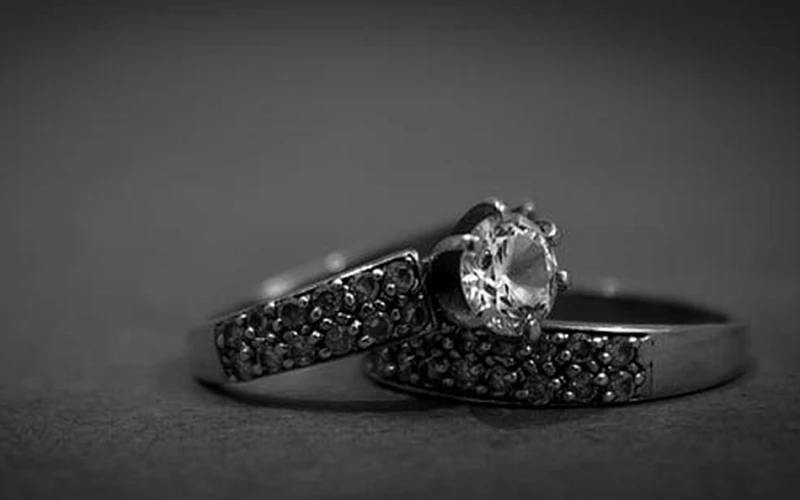
Tennis chains have long held a distinct place in fine jewelry, bridging the gap between everyday luxury and statement elegance. While their design may appear simple at first glance, the craftsmanship and diamond selection behind a well-made tennis chain are anything but basic. For buyers seeking both beauty and long-term value, understanding what defines a high-quality tennis chain is essential.
From diamond grading to structural integrity, every element contributes to how a tennis chain looks, feels, and performs over time. Whether purchased as a personal investment or a meaningful gift, an informed approach ensures that the piece reflects both style and substance.
The Anatomy of a Tennis Chain
A tennis chain consists of a continuous line of individually set diamonds, typically connected by flexible metal links. This construction allows the chain to sit smoothly along the neckline, creating a fluid and balanced appearance. The uniformity of the diamonds is one of its defining features, requiring precise matching in size, cut, and color.
Unlike bulkier jewelry designs, tennis chains rely on subtle brilliance. Each stone contributes to an overall shimmer rather than a single focal point. This makes consistency in craftsmanship especially important, as even minor variations can disrupt the visual harmony.
Diamond Setting Styles
The setting plays a critical role in both aesthetics and durability. Common styles include prong settings, bezel settings, and channel settings. Prong settings are the most traditional, allowing maximum light exposure and brilliance. Bezel settings offer a more modern, secure look, encasing each diamond in metal. Channel settings provide a sleek, uninterrupted surface, often preferred for a contemporary feel.
Each option carries its own balance of security and visual openness, making the choice largely dependent on lifestyle and design preference.
Diamond Quality: Beyond the Basics
While the 4Cs—cut, color, clarity, and carat weight—are foundational to diamond evaluation, tennis chains require a more nuanced application of these standards. Since multiple diamonds are used, the focus shifts toward consistency rather than perfection in a single stone.
Cut quality remains paramount, as it directly affects brilliance. Even in smaller diamonds, a well-executed cut ensures that light reflects evenly across the chain. Color and clarity are typically selected within a narrow range to maintain visual uniformity, avoiding noticeable discrepancies between stones.
Carat weight in tennis chains is often expressed as total carat weight (TCW), representing the combined weight of all diamonds. This figure influences both the visual presence and price, but should always be considered alongside craftsmanship.
Metal Choices and Their Impact
The metal used in a tennis chain affects not only its durability but also its overall aesthetic. White gold and platinum are popular choices for their ability to enhance diamond brilliance, offering a clean and reflective backdrop. Yellow gold introduces warmth, creating a classic contrast that appeals to traditional tastes.
Platinum, while more expensive, offers superior strength and resistance to wear. White gold, on the other hand, requires periodic maintenance to retain its rhodium finish. Understanding these differences helps buyers select a chain that aligns with both their style and long-term expectations.
Craftsmanship and Structural Integrity
A tennis chain’s flexibility is one of its defining characteristics, but it also introduces potential points of weakness. High-quality chains are engineered with secure links and durable clasps to prevent breakage. The clasp, often overlooked, should feel solid and reliable, providing peace of mind during wear.
Precision in assembly ensures that each link moves smoothly without compromising strength. This level of craftsmanship distinguishes fine jewelry from mass-produced alternatives, making it a critical consideration for buyers.
Styling and Modern Relevance
While tennis chains have classic origins, they have evolved into versatile pieces embraced across generations. They can be worn alone for understated elegance or layered with other chains for a more contemporary look. Their adaptability makes them suitable for both formal occasions and everyday wear.
Recent trends in celebrity fashion have further highlighted the enduring appeal of diamond jewelry. For example, pieces like the one featured in this fashion feature demonstrate how timeless designs continue to influence modern style narratives.
Making an Informed Purchase
When considering a tennis chain, it is essential to evaluate the piece holistically. Beyond the visible sparkle, factors such as diamond matching, setting quality, and overall construction play a significant role in determining value. Working with reputable jewelers and seeking transparency in diamond grading can provide additional assurance.
For those seeking deeper insight into styles, construction, and buying considerations, this guide to tennis chains offers a useful reference point within the broader context of fine jewelry selection.
Additionally, exploring related perspectives on design and aesthetics—such as those found in architectural and design-focused publications—can help buyers understand how jewelry integrates into personal style and lifestyle environments.
Longevity and Care
A well-crafted tennis chain can last for generations when properly maintained. Regular cleaning helps preserve brilliance, while periodic inspections ensure that settings and clasps remain secure. Professional servicing is recommended to address any wear that may develop over time.
Storage also plays a role in longevity. Keeping the chain in a separate compartment prevents tangling and minimizes the risk of damage. These small but consistent practices contribute to maintaining the piece’s original beauty.
A Reflection of Precision and Elegance
Tennis chains represent more than just a sequence of diamonds; they embody precision, balance, and enduring design. Each element—from the alignment of stones to the integrity of the links—reflects the expertise behind its creation. For buyers, understanding these details transforms the purchasing process into a more meaningful and informed experience.
In the broader landscape of fine jewelry, tennis chains remain a testament to how thoughtful craftsmanship and careful diamond selection can create pieces that are both timeless and deeply personal.