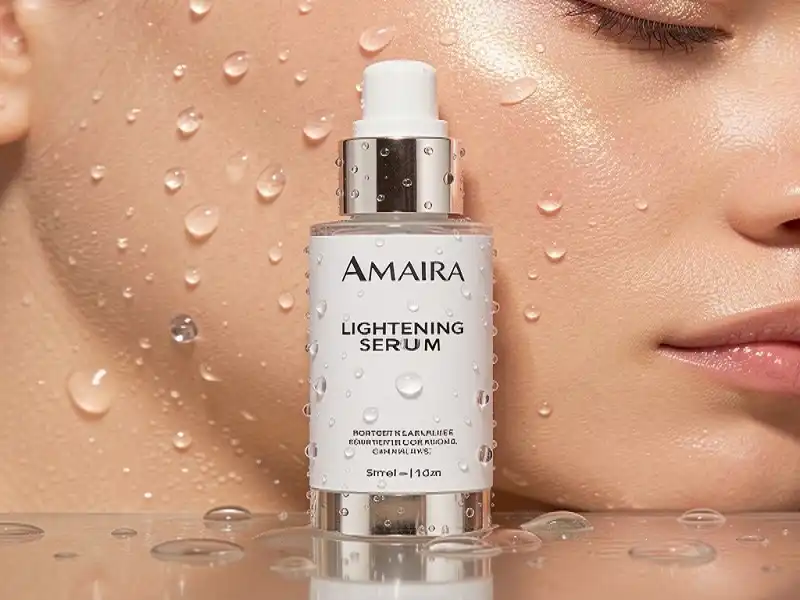
Amaira Lightening Serum Review searches usually come from people who want clearer skin tone on the face, underarms, inner thighs, or other areas. They want to know if this product delivers on its promises and whether it is safe for regular use. This review examines the claims, ingredients, and practical realities so you can decide with better information.
Skin brightening products attract attention because uneven tone affects confidence for many people. Dark spots, post-inflammatory marks, and natural variation in skin color are common. Some products use strong chemicals. Others rely on plant extracts. Amaira positions itself in the second group.
I approach these reviews by separating company marketing from measurable factors such as ingredient lists, usage instructions, and typical user timelines. That method keeps expectations grounded.
What Amaira Lightening Serum Claims to Do
The company states that the serum helps create a more even skin tone. It also claims that consistent use may make treated areas appear up to three shades lighter in about six weeks. The formula is described as natural, lightweight, and suitable for sensitive areas including intimate skin.
Marketing materials highlight development in United States laboratories since 2016. The product comes in 30 ml bottles and is often sold in single, double, or triple packs. Related items in the same range include a scar cream and an eye serum.
These claims create high expectations. Realistic results almost always depend on individual skin type, consistency of use, sun protection, and the depth of existing pigmentation.
Key Ingredients and How They Work
Most versions of the serum list plant-based brightening agents. Common ingredients reported across product descriptions include:
- Mulberry leaf extract – often linked to reduced melanin production
- Kojic acid – a well-known natural compound that can slow pigment formation
- Licorice root extract – used for its soothing and mild brightening properties
- Bearberry extract – contains natural arbutin compounds
Some formulas also mention alpha-arbutin, niacinamide, or glycolic acid in supporting roles. The brand emphasizes that the product is free from hydroquinone, a stronger agent that carries more regulatory restrictions in many countries.
These ingredients appear in many over-the-counter brightening products. Their effectiveness is usually gradual. They work best when used consistently and paired with sunscreen. Sudden dramatic changes are uncommon with gentle formulas.
Realistic Timeline for Visible Changes
Company materials often mention six weeks. User reports from various review sites show a wider range.
Some people notice smoother texture or mild brightness in two to four weeks. Clearer fading of dark spots usually takes six to twelve weeks of twice-daily use. Deeper or long-standing pigmentation often needs longer or additional support such as chemical exfoliation under professional guidance.
Results stop or reverse if sun exposure increases without protection. Melanin production rises with UV light, which can undo progress.
A practical approach is to photograph the treated area in consistent lighting every two weeks. Side-by-side comparison shows subtle changes that daily observation misses.
Safety and Skin Tolerance
The formula is marketed as suitable for sensitive skin and intimate areas. Many users report little to no irritation when they start slowly. A minority experience mild redness or dryness, especially if they apply too much or combine it with strong acids.
Standard safety steps apply:
- Perform a patch test on the inner arm for 24–48 hours before full use.
- Start with once-daily application for the first week.
- Avoid broken skin, active eczema, or open wounds.
- Discontinue use if persistent stinging or rash appears.
- Keep the product away from the eyes.
Pregnant or breastfeeding individuals should consult a doctor before using any new topical product on large areas. This is standard advice for most active skincare.
How to Use the Serum Effectively
Clean the skin and allow it to dry completely. Apply a thin layer to the target area. A little product goes a long way. Gently pat rather than rub aggressively. Follow with a moisturizer if the skin feels dry. Use broad-spectrum sunscreen every morning on any exposed treated areas.
Consistency matters more than quantity. Skipping days slows progress. Combining the serum with gentle exfoliation (such as a mild lactic acid product a few times per week) can improve results for some people, but introduce new products one at a time.
Store the bottle away from heat and direct light. Airless packaging, when present, helps preserve the formula longer.
Who Might See the Best Results
People with mild to moderate uneven tone often report more satisfaction. Those with very deep or hormonal pigmentation (such as melasma) may need professional treatments in addition to topical products.
Skin that responds well to other gentle brighteners tends to respond similarly here. Patience and sun protection remain the two strongest predictors of success.
Limitations and Realistic Expectations
No topical serum works the same for every person. Genetics, hormone levels, inflammation, and lifestyle all influence pigment. Marketing language that promises exact shade changes in fixed weeks sets expectations that many users do not fully meet.
Availability has varied over the years. Some older review sites note periods when the original company website showed limited stock or redirected sales. Always purchase from a current, verified seller and check recent batch information if possible.
The product is not a medical treatment. It does not replace dermatologist care for conditions such as melasma, post-inflammatory hyperpigmentation from acne, or other diagnosed skin issues.
Comparing Approaches to Skin Brightening
Gentle plant-based serums like this one sit on one end of the spectrum. They prioritize lower irritation risk and slower progress. Stronger clinical options (prescription hydroquinone, professional peels, or laser) work faster for many people but carry higher risk of side effects and require medical supervision.
A middle path that many dermatologists recommend includes:
- Daily sunscreen
- Consistent gentle brightening actives
- Occasional professional treatments when needed
- Addressing internal factors such as inflammation or hormonal imbalance
This combination often produces more stable long-term results than any single product.
Practical Checklist Before Buying
Ask yourself these questions:
- Have I already optimized sun protection and basic skincare?
- Am I prepared to use the product twice daily for at least eight to twelve weeks?
- Have I patch-tested similar ingredients without reaction?
- Am I buying from a current, reputable source with clear return policy?
- Do I understand that results vary and are rarely permanent without maintenance?
If the answers are yes, a trial may be reasonable. If several answers are no, address those foundations first.
Final Assessment
Amaira Lightening Serum sits in the category of gentle, plant-based brightening products. The ingredient list aligns with known mild brighteners. Company claims about speed and degree of change are optimistic compared with typical real-world timelines. Safety reports are generally favorable when users follow basic precautions.
The product can form part of a careful brightening routine for people seeking gradual improvement with lower irritation risk. It is not a miracle solution and does not replace professional advice for stubborn or medical pigmentation concerns.
Anyone considering this or similar serums should start with realistic expectations, consistent use, and strong sun protection. Track progress with photos. Give the product a fair trial of at least eight weeks before judging results. Combine it with healthy skin habits for the best chance of visible improvement.
If your main goal is safer, gradual brightening and you accept that results take time, this type of formula is worth considering. If you need faster or more dramatic change, consult a dermatologist about clinical options instead.
Make your decision based on your skin’s history, your patience level, and verified current product information. That approach leads to better outcomes than any marketing claim alone.