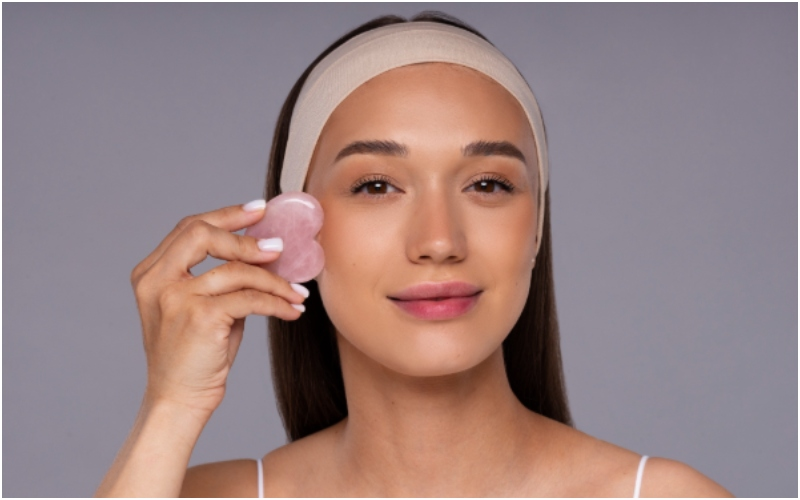
Modern facial lifting devices have become popular tools for people who want firmer-looking skin without injections or surgery. These at-home devices use microcurrent, radiofrequency, or light therapy to support skin tone and mild contour. This guide explains how the main technologies work, what realistic results look like, and how to use them effectively.
Facial skin changes with age. Collagen and elastin production slow. Fat pads shift. Bone structure subtly changes. Daily habits such as sun exposure, sleep, and stress accelerate visible effects. Many people look for non-invasive ways to support firmness between professional treatments.
How Facial Aging Affects Appearance
Skin loses structural support over time. Reduced collagen makes the surface less firm. Decreased elastin reduces bounce. Volume loss in the mid-face and along the jaw can create a softer contour. External factors like UV exposure break down collagen faster and create uneven texture.
These changes develop gradually. At-home devices aim to support the skin’s natural repair processes rather than produce dramatic overnight change. Understanding this timeline helps set practical expectations.
Main Types of Modern Facial Lifting Devices
Three technologies dominate the current market.
Microcurrent Devices These tools deliver low-level electrical currents. The current mimics the body’s natural signals and can encourage temporary muscle toning and improved circulation. Many users notice a subtle lifted appearance after consistent sessions. Results often look freshest right after treatment and improve with regular use over weeks.
Radiofrequency (RF) Devices RF tools generate controlled heat in the deeper layers of skin. The heat stimulates fibroblasts, the cells that produce collagen. Over time this can improve firmness and mild texture. Sessions usually feel warm. Consistency matters more than high intensity.
LED and Light Therapy Devices Red and near-infrared light support cellular activity and can reduce the appearance of inflammation. Some devices combine light with microcurrent or gentle heat. These tools generally feel comfortable and require little recovery.
Many newer devices combine two or more technologies in one unit. Combination tools can address multiple concerns but often require careful reading of instructions to use each mode correctly.
What Realistic Results Look Like
At-home devices produce gradual, modest improvements for most people. Users commonly report:
- Slightly firmer feel to the skin
- Mild improvement in contour along the jaw or cheeks
- Smoother appearance of fine lines with consistent use
- Temporary reduction in puffiness after sessions
Visible changes usually appear after four to eight weeks of regular use. Results are maintenance-dependent. Stopping the routine often allows the skin to return to its previous state over time.
Devices do not replace professional treatments such as injectables, ultrasound, or clinical RF. They work best as a supportive habit between appointments or for people seeking mild improvement.
How to Choose a Device That Fits Your Needs
Start with your main goal.
- Mild toning and temporary lift → microcurrent
- Firmness and collagen support → radiofrequency
- Calming and overall skin quality → LED or combination tools
Consider practical factors next:
- Treatment time (most effective devices require 5–15 minutes)
- Ease of use and cleaning
- Need for conductive gel or serum
- Battery life and charging method
- Warranty and return policy
Read recent user feedback that mentions consistency of results rather than dramatic before-and-after claims. Look for devices that have undergone basic safety testing or clearance where available.
Budget matters. Higher price does not always equal better results. A mid-range device used consistently often outperforms an expensive one used sporadically.
Building an Effective Routine
Consistency produces better outcomes than intensity.
Most protocols recommend three to five sessions per week for the first four to eight weeks, then two to three sessions weekly for maintenance. Follow the manufacturer’s timing guidelines. Longer sessions do not always improve results and can increase irritation risk.
Clean the skin thoroughly before each use. Apply the recommended conductive gel or serum for microcurrent and RF devices. Move the device slowly and evenly. Avoid bony areas or broken skin.
After treatment, apply a simple moisturizer or serum. Daily sunscreen remains essential. UV exposure works against collagen support.
Track progress with consistent lighting photos every two weeks. Subtle changes are easier to see in side-by-side comparison than in the mirror.
Safety Guidelines That Matter
Most modern facial lifting devices are considered low-risk when used as directed. Still, follow these rules:
- Do not use on broken, infected, or inflamed skin
- Avoid the eye area unless the device is specifically designed for it
- Stop use if you feel sharp pain or excessive heat
- Consult a doctor if you have a pacemaker, metal implants, or active skin conditions
- Pregnant individuals should check with a healthcare provider before use
Start on the lowest intensity setting. Increase only if the sensation remains comfortable. More power is not always better.
Clean the device after every session according to instructions. Residual product or bacteria can cause irritation over time.
Combining Devices with Professional Care
Many people use at-home tools alongside in-clinic treatments. Microcurrent or RF devices can support skin between Botox, filler, or professional energy-based sessions. Discuss your home routine with your provider so treatments complement rather than conflict.
Avoid aggressive at-home use immediately before or after stronger professional procedures. Give the skin recovery time.
Common Mistakes That Reduce Results
Skipping sessions is the most frequent problem. Irregular use produces minimal change.
Using too much pressure or moving the device too quickly reduces effectiveness and can cause discomfort.
Ignoring conductive gel with microcurrent or RF tools lowers energy delivery and increases the chance of a tingling or zapping sensation.
Expecting surgical-level lifting leads to disappointment. These devices support mild improvement and maintenance, not dramatic restructuring.
Practical Weekly Plan Example
Monday, Wednesday, Friday: 10-minute microcurrent or RF session focused on jawline and cheeks Tuesday, Thursday: Optional shorter LED session for overall skin quality Weekend: Rest or light maintenance session if desired
Adjust based on your device instructions and skin response. Less frequent use after the initial building phase often maintains results with less time commitment.
Long-Term Perspective
Modern facial lifting devices work best as part of a broader routine that includes sun protection, consistent skincare, adequate sleep, and balanced nutrition. The devices themselves support the skin’s structure. Lifestyle habits determine how well that support holds.
People who treat a face lifting device as a long-term habit rather than a quick fix tend to report the highest satisfaction. Results accumulate slowly and require ongoing effort to maintain.
Start with clear goals and realistic timelines. Choose a device that matches your main concern and fits easily into your schedule. Use it consistently for at least six to eight weeks before judging results. Pair it with daily sunscreen and simple skincare.
This approach turns a modern facial lifting device into a useful tool rather than an unused gadget. Focus on steady habits and measurable progress. The skin responds best to consistent, moderate support over time.
Begin with the basics this week: clean skin, proper conductive product if needed, slow movements, and regular sessions. Track changes with photos. Adjust based on what your skin shows. That process delivers the most reliable results from these devices.